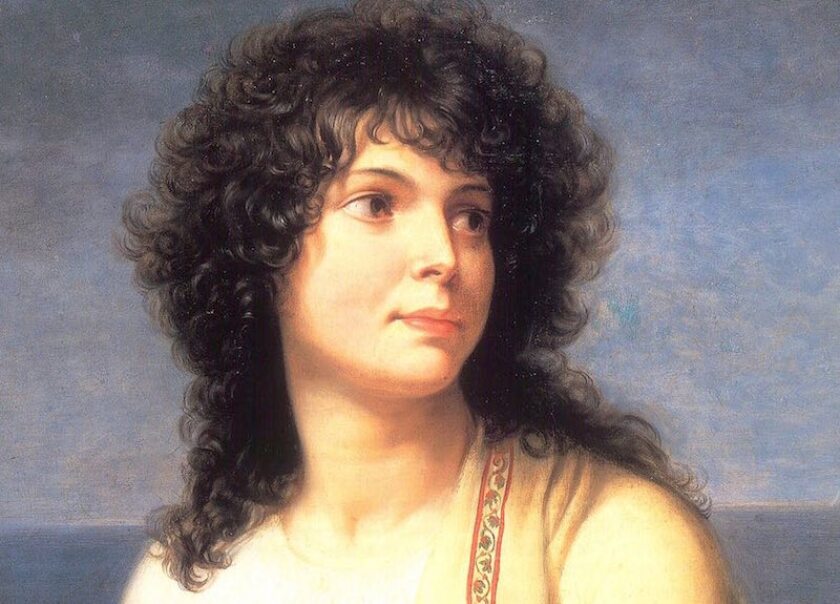
Jeanne Geneviève Fortunée Lormier-Lagrave was born on March 25, 1776, on the island of Saint-Domingue, now divided between Haiti and the Dominican Republic. The daughter of a notable, her father decided to send her to France at the age of eleven, in order to complete her education but above all, to find her a husband.
After arriving in Bordeaux by boat in 1788, she finally settled in Paris two years later, amidst the tumultuous French Revolution. The young woman struggled to adapt to the religious boarding school where she learned the customs and traditions of aristocratic society. Having thrived in the tropical French West Indies, she could not bear this quiet, cloistered life.
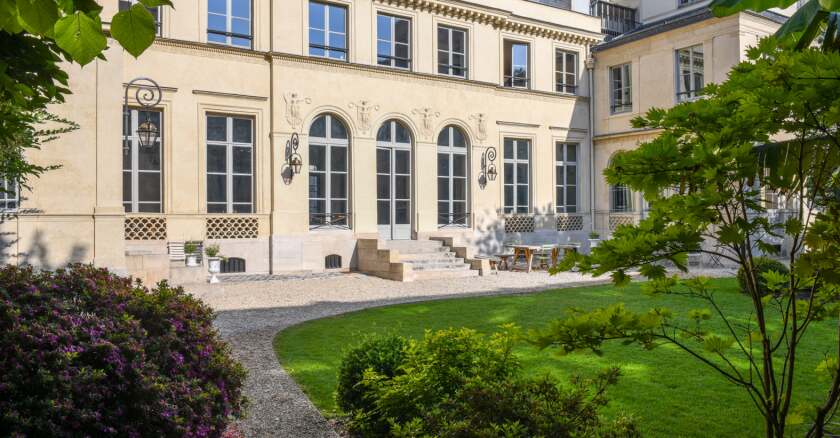
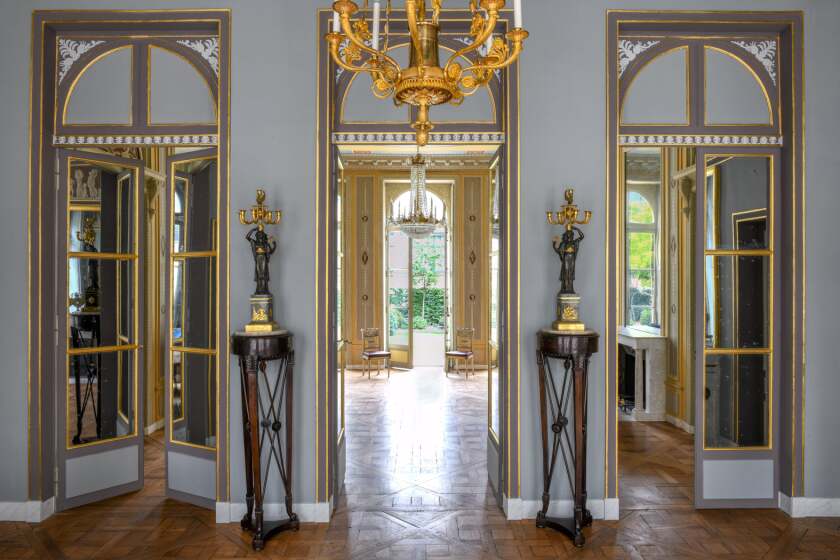
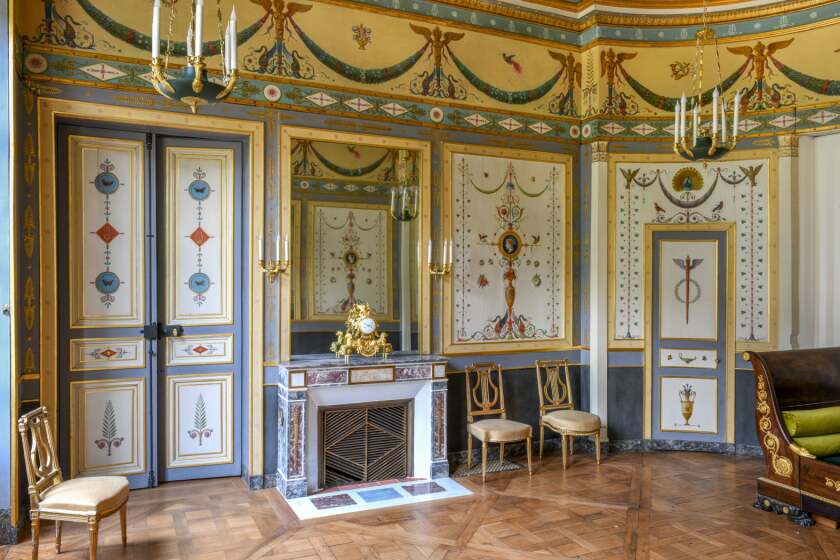
In 1792, she saw in her marriage to Romain Hamelin the opportunity to regain her former freedom and independence. That same year, the young couple moved into the Hôtel de Bourrienne, a private mansion acquired by Madame's father, now known as Hamelin. This move, coinciding with the end of the Reign of Terror, marked a turning point in the young woman's life. Fortunée decided to create her own literary salon, which proved a success. The young Creole woman's receptions quickly attracted the Parisian elite: artists, politicians, dignitaries—everyone wanted to be seen there. It was there that she met Joséphine de Beauharnais, with whom she formed a close friendship. The two friends would later belong to the exclusive club of Les Merveilleuses, a group of influential women who emerged after the French Revolution.
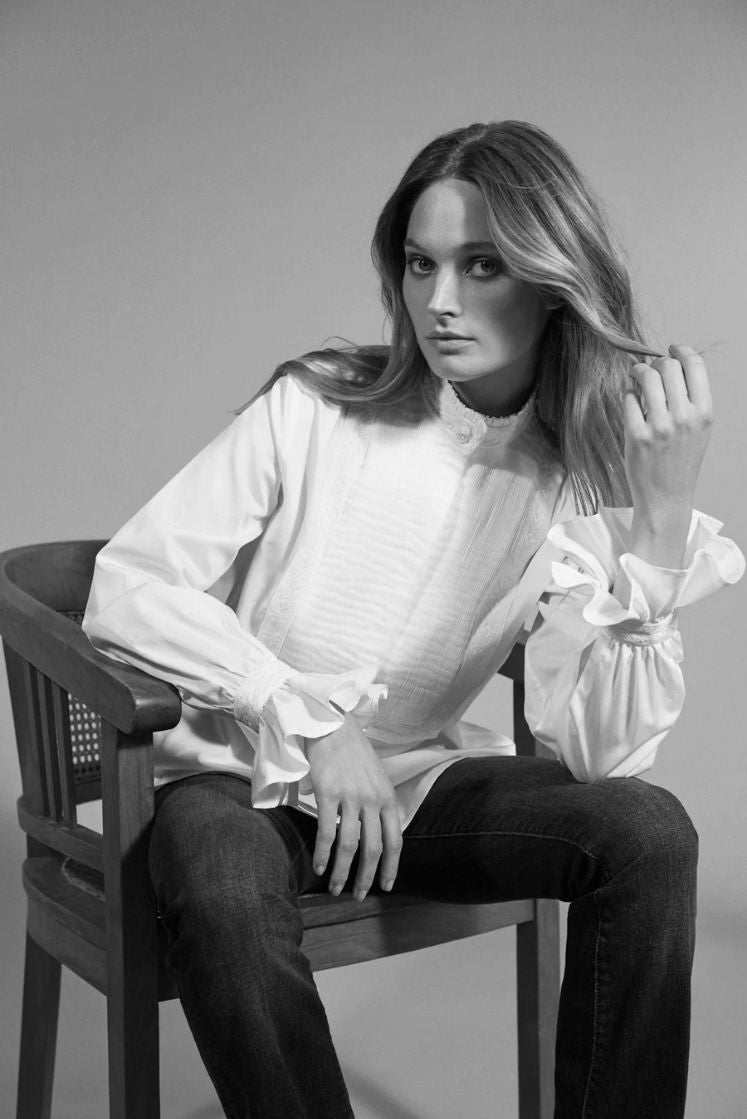
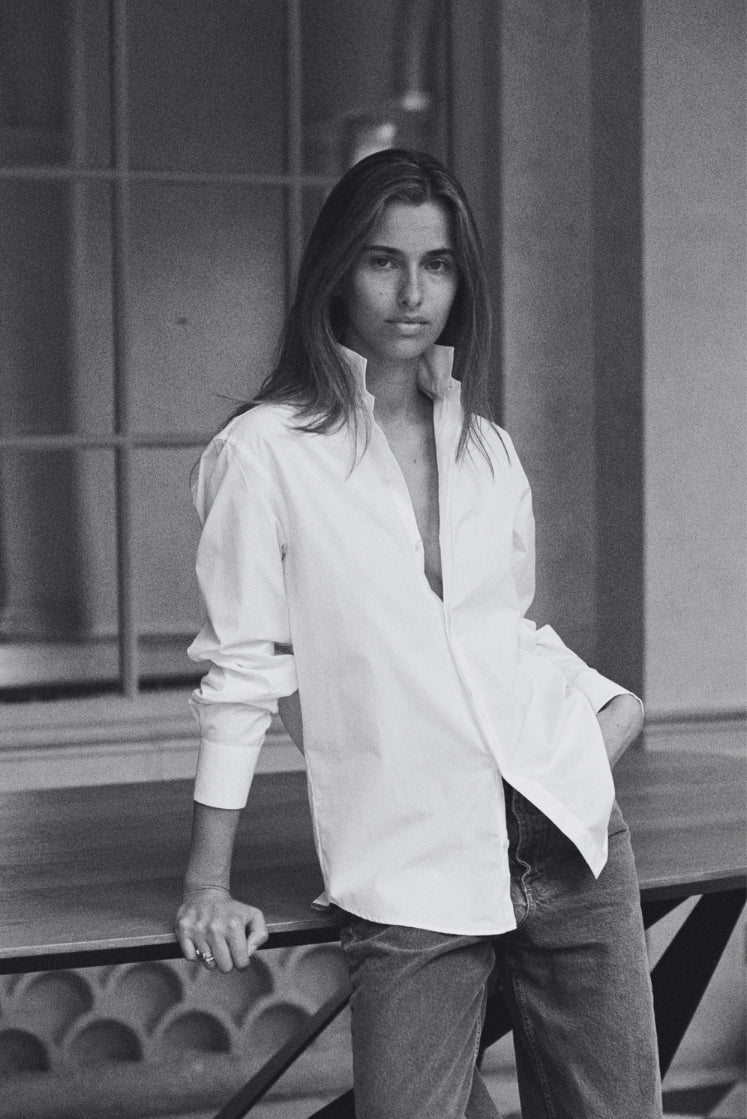
Her charisma quickly made Fortunée a leading figure of her time. Women imitated her hairstyles and clothing. For example, she helped launch the fashion for the chemise, the wearing of which in public had previously been reserved for men. A self-proclaimed provocateur, Fortunée caused a sensation when, on the Champs-Élysées, she displayed her body, clad only in a simple piece of flesh-colored gauze, slit to her hips. This scandal is just one example among many of the impertinence of the woman who would become the mistress of the illustrious Chateaubriand.
Deeply involved in politics, this notorious "Merveilleuse" fervently supported Napoleon. A secret member of the political police, she was forced into exile in Brussels upon the accession of Louis XVIII to the French throne in 1815.
She eventually returned to Paris, outwardly embracing the royalist cause. Beyond hosting lavish receptions, she befriended prominent French writers such as Honoré Balzac and Victor Hugo. However, her financial difficulties gradually diminished her prestige and influence. She died on April 29, 1851, in the capital and was buried in Père Lachaise Cemetery, far from her native Antilles.