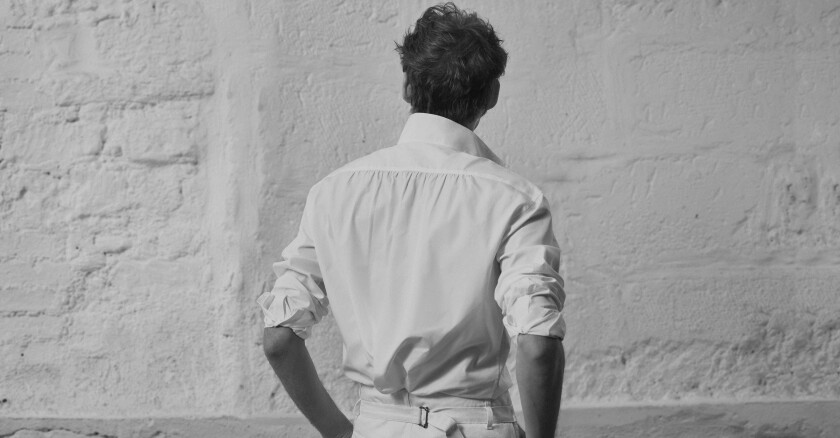
Life certainly has more imagination than we do! How did Charles Beigbeder, more inclined to play the role of angel investor in the world of private equity, end up at the helm of a shirt brand? The Bourrienne Paris X adventure began the moment the entrepreneur first set foot on the Versailles parquet floor of the Hôtel de Bourrienne. He was immediately captivated by this Parisian townhouse, then in a sorry state, located at number 58 rue d'Hauteville in the 10th arrondissement. He bought it and decided to restore this faded jewel of the Directory period to house the future offices of his group.
By delving into the history of the place, Charles discovers that it was once the setting for numerous literary salons. The cream of intellectuals, such as Talleyrand, Bonaparte, Chateaubriand, and Victor Hugo, debated there… in white shirts. The businessman, himself a great admirer of this classic menswear staple, then decides to expand his business and create the ultimate brand of white shirts.
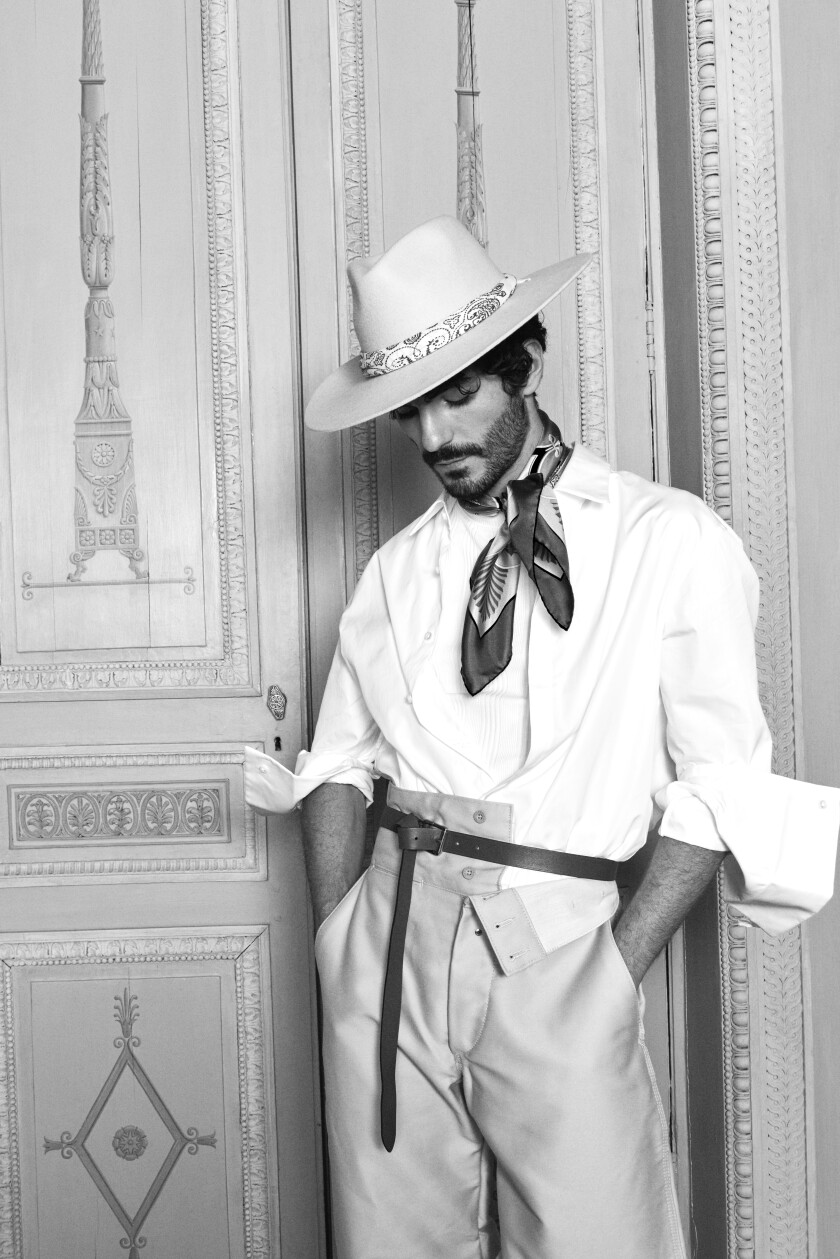
He appointed the highly inspired Cécile Faucheur as artistic director. This young woman, passionate about vintage tunics, had amassed a veritable treasure trove. She scoured museums and hunted for exceptional pieces in flea markets, thus collecting a collection of more or less unusual designs. Her collection ranges from the johns-like shirt to the painter's smock to the princely model, hemmed with jabots. Cécile meticulously examines every detail of the front, every pleat or fold, finding inspiration and boosting her creativity.
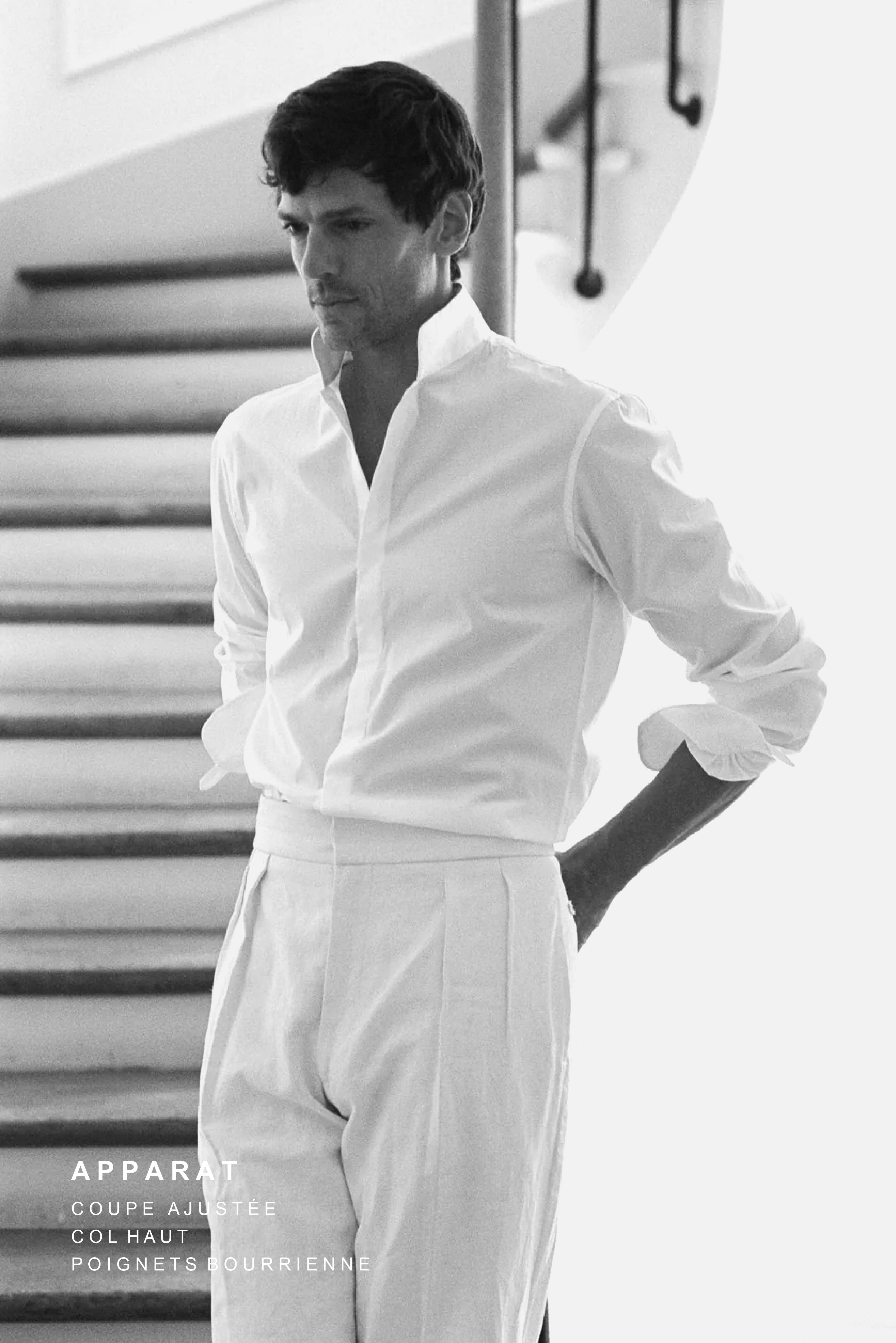
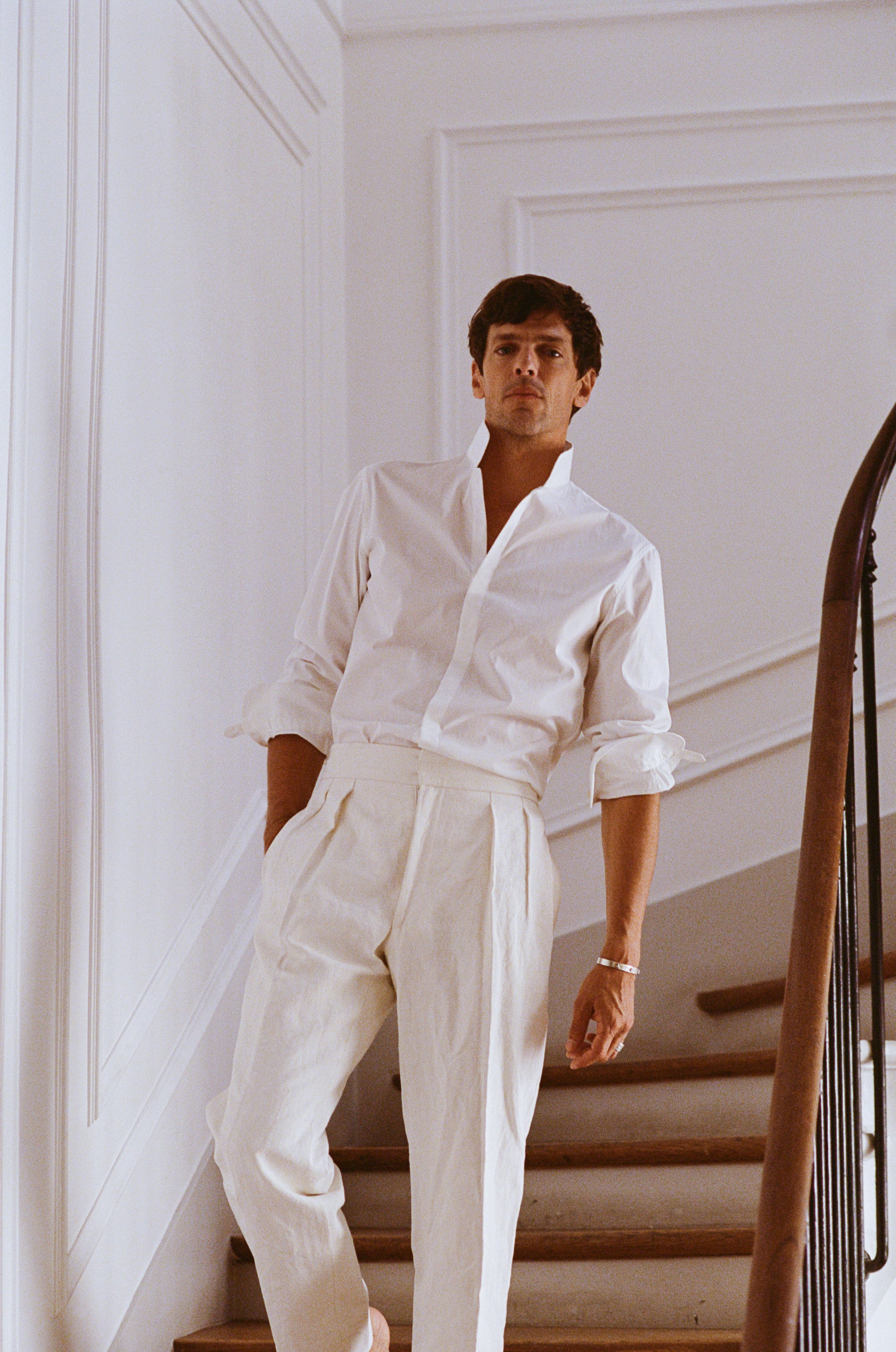
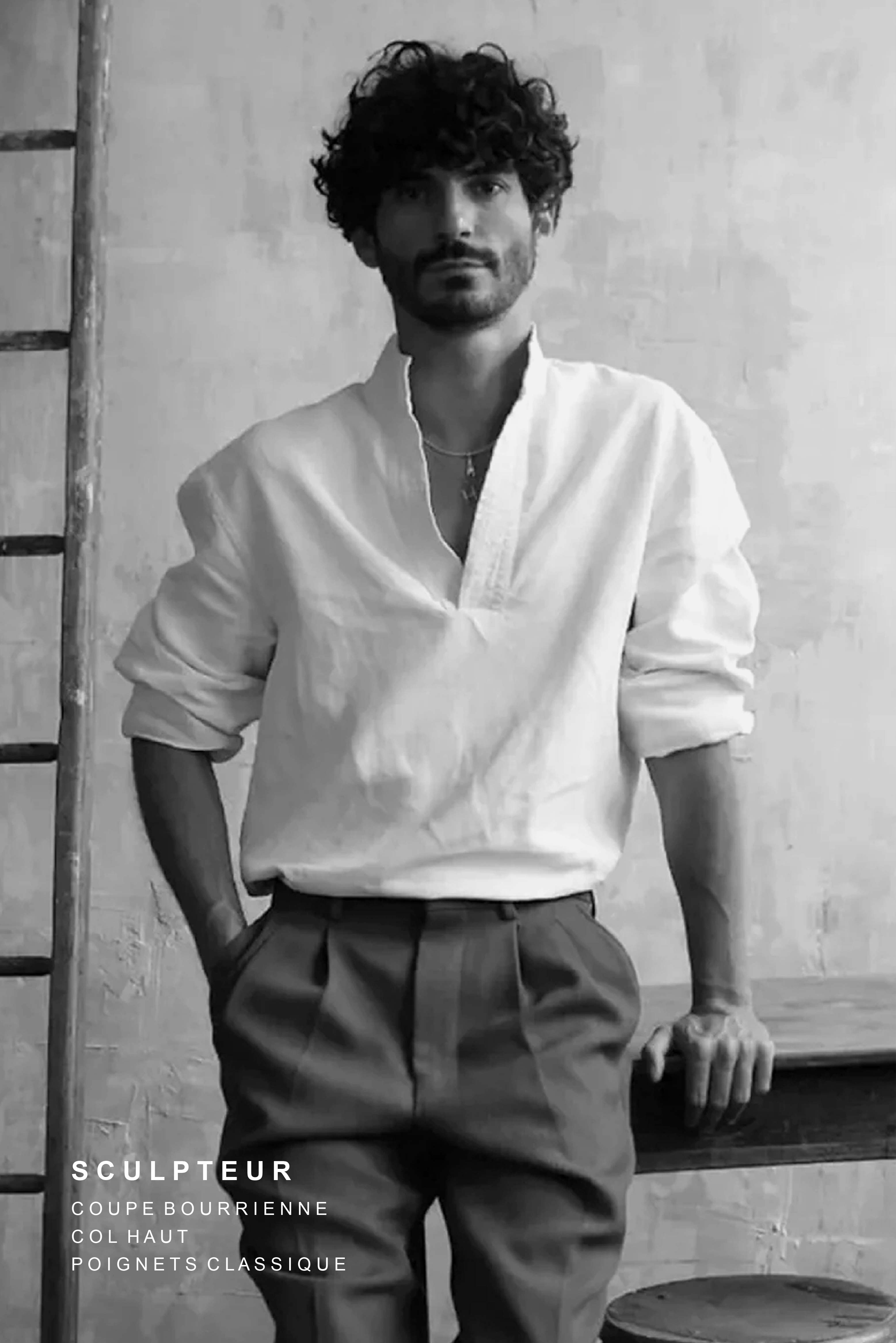
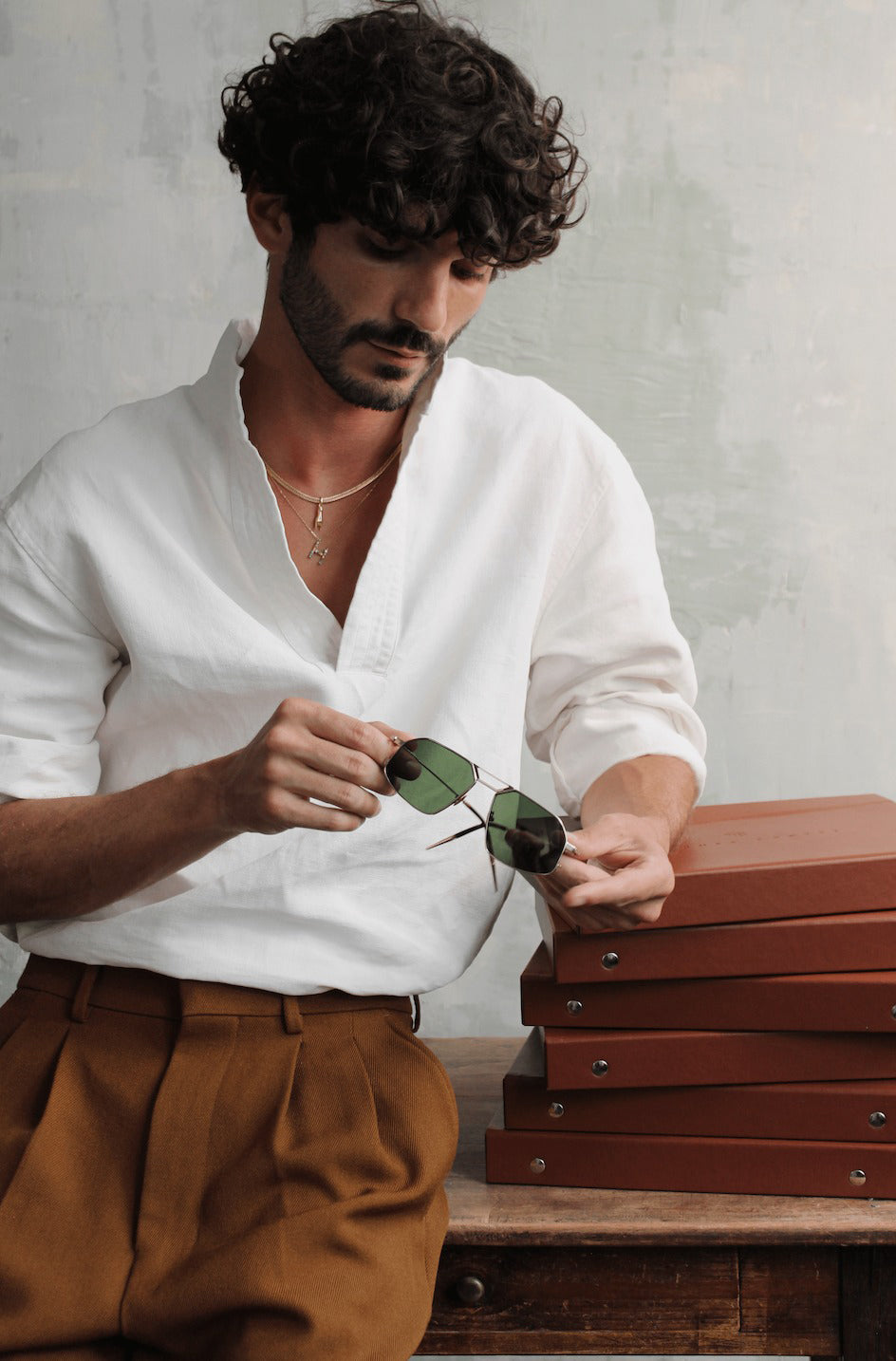
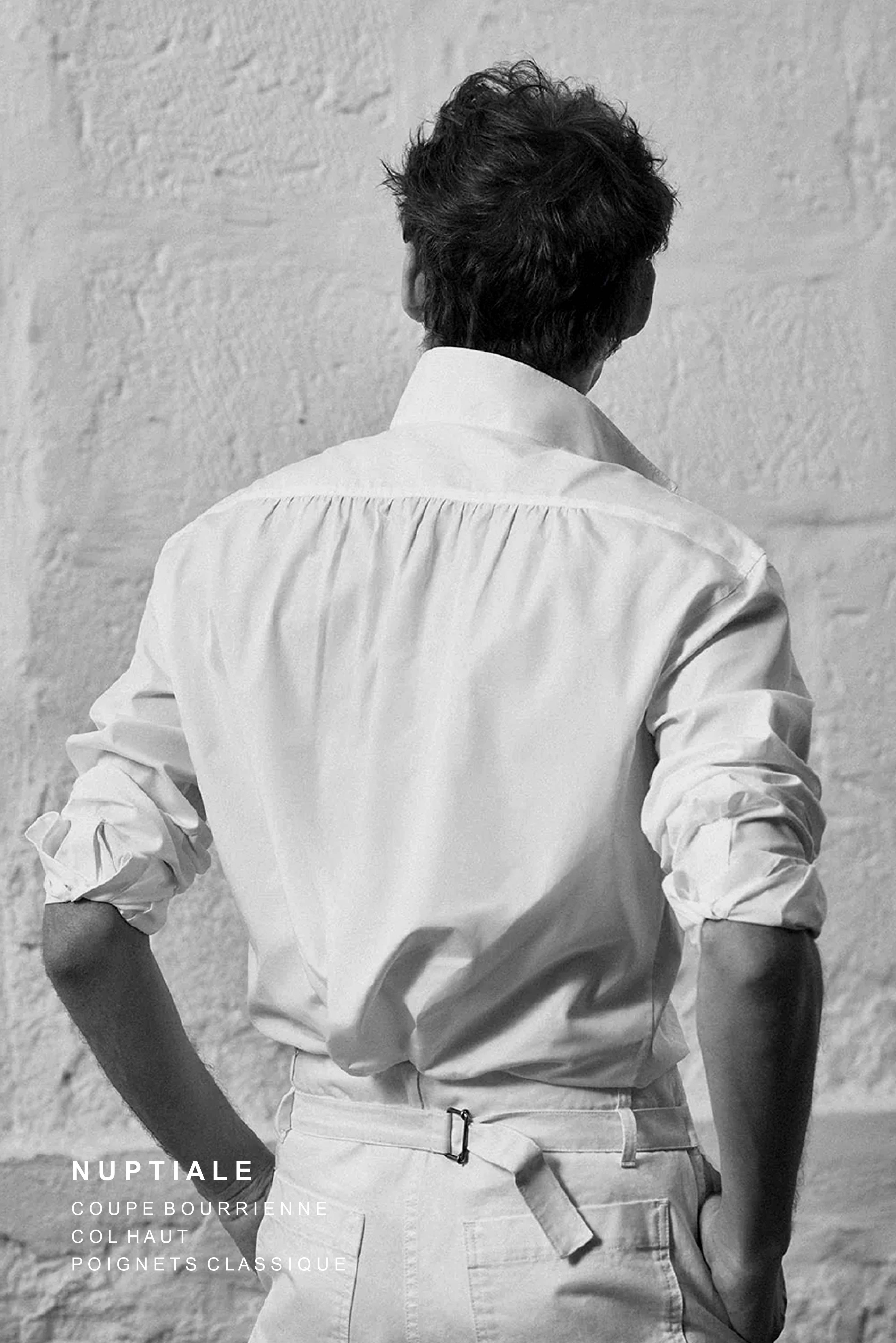
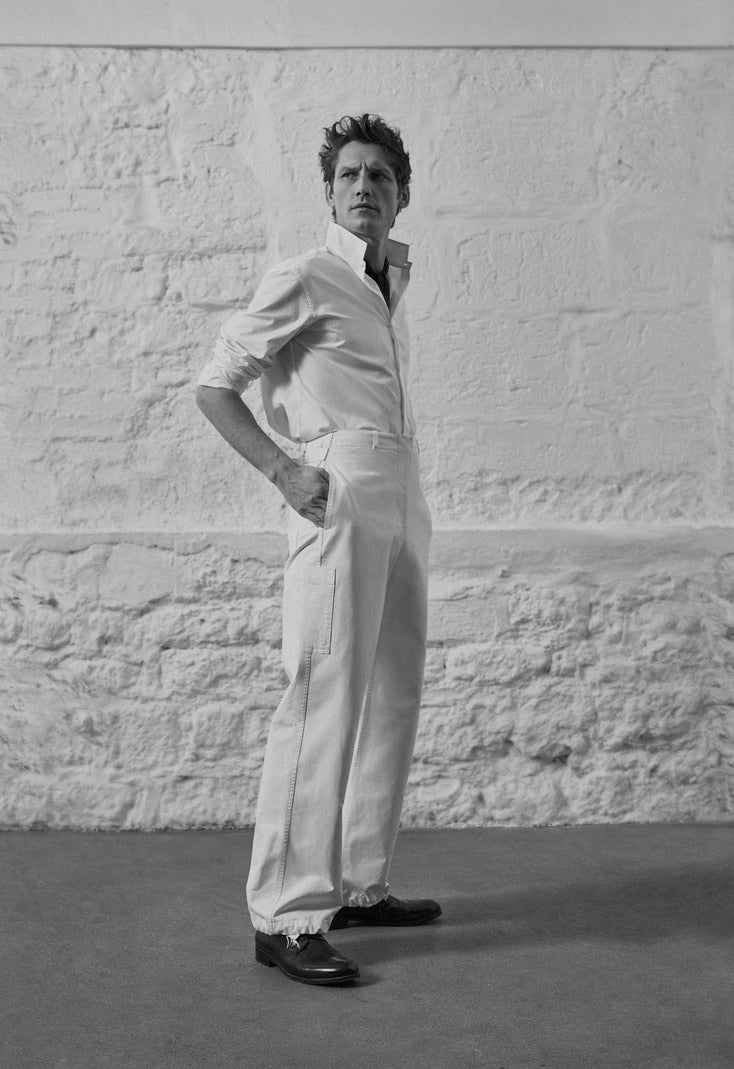
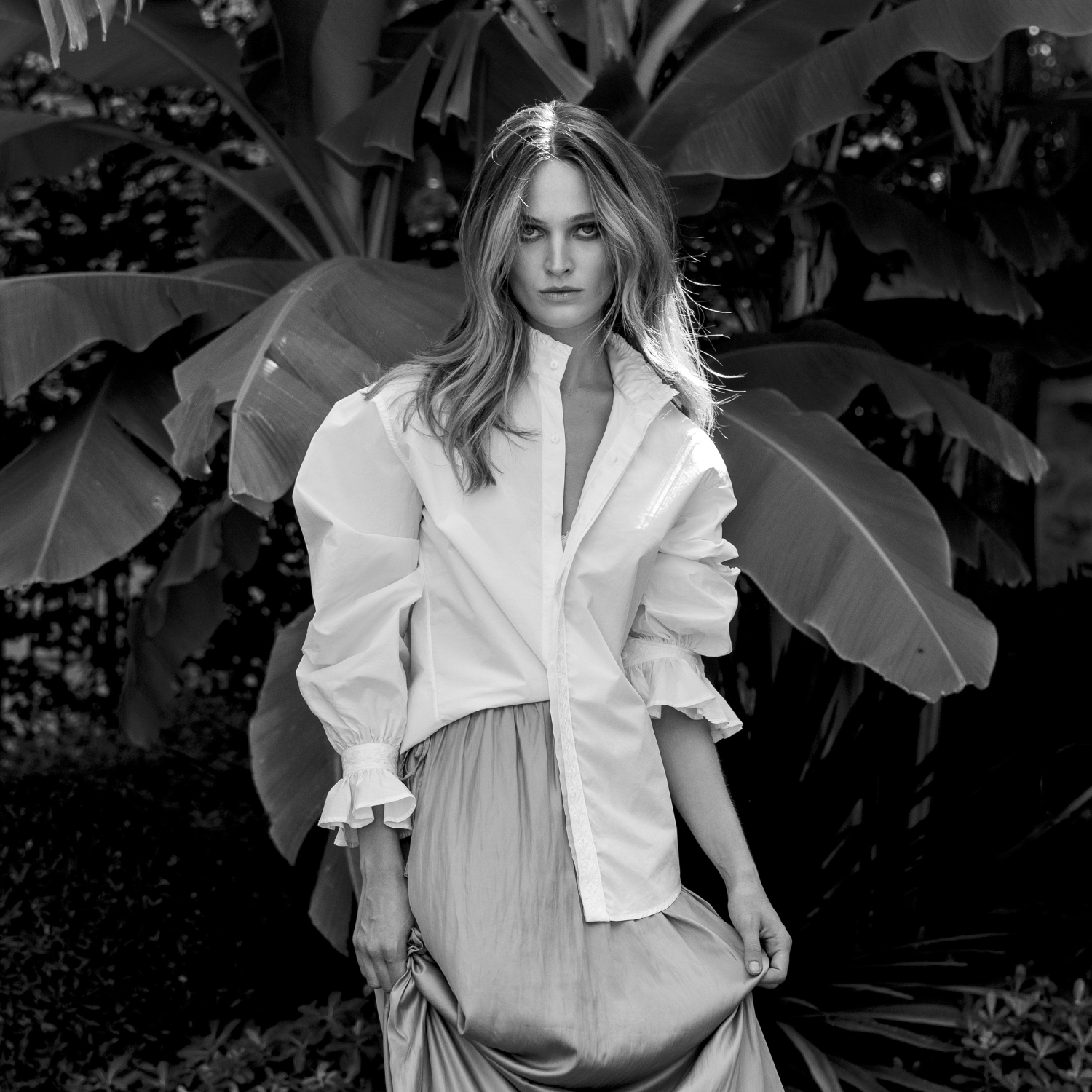
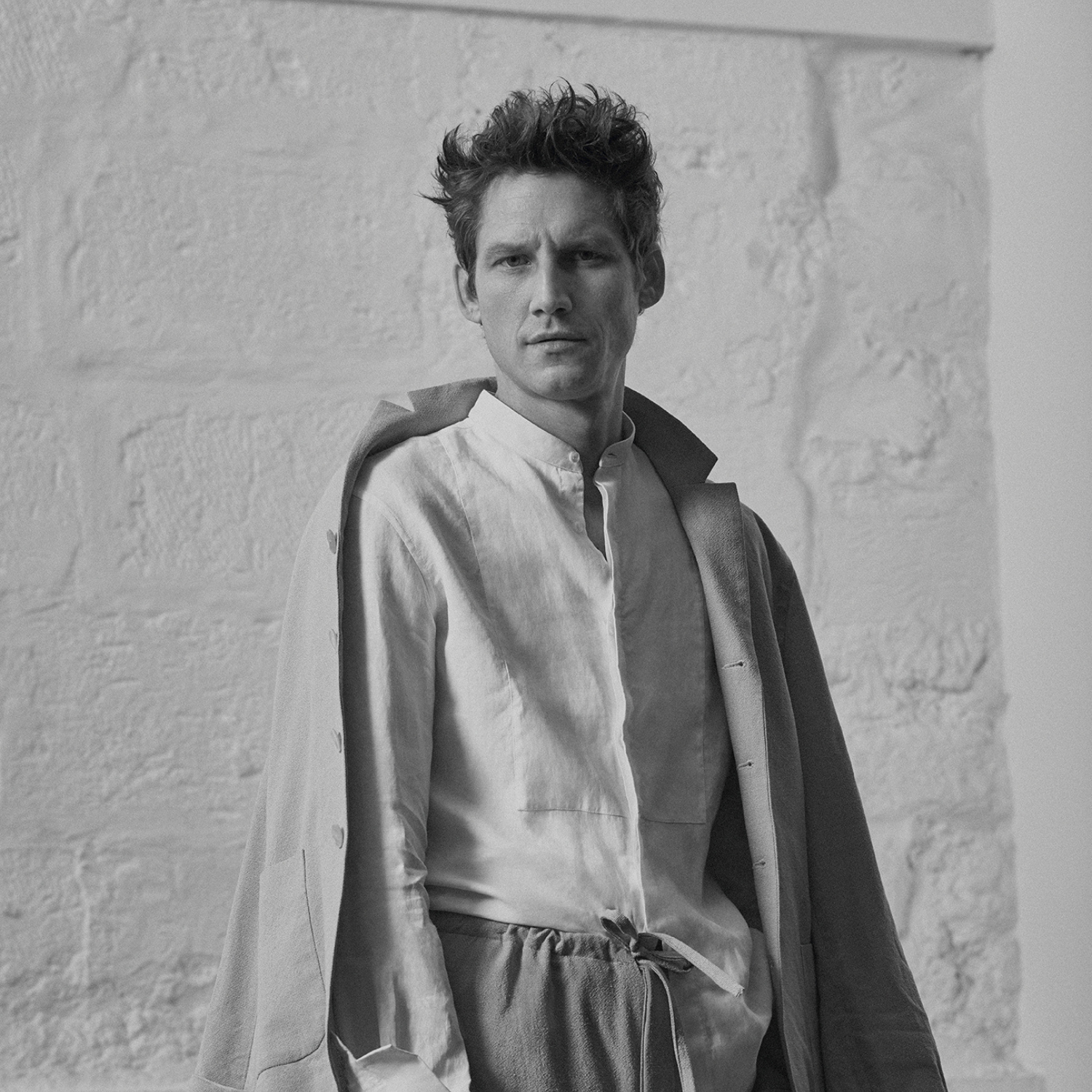
Drawing inspiration from vintage details, the collection gives the white shirt a modern twist. Each piece is available in various cuts, from loose to fitted. A wide selection of collars is offered (French, Italian, wing collar, mandarin, lavallière, Peter Pan collar, etc.), while the cuffs and button plackets are also meticulously crafted. Each shirt is made from the finest fabrics (ultimate poplin, cotton twill, creamy Norman linen, etc.).
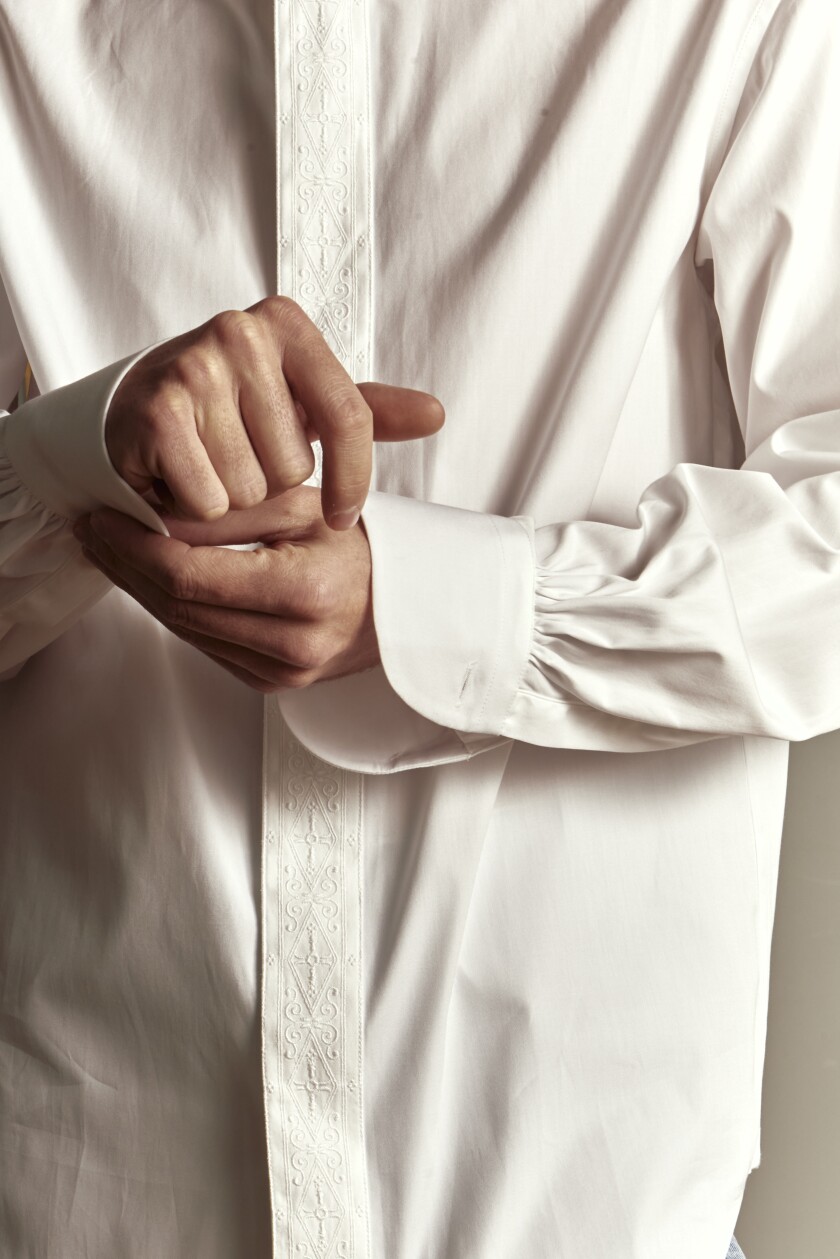
Subtly marked with a Roman numeral near the swallow emblem, some shirts showcase exquisite craftsmanship. Those that are hand-pleated are done in a workshop in Brittany, while the embroidered trims, echoing some of the decorations found in the Hôtel de Bourrienne, are made in northern France. These treasures can be discovered in the boutique, located next to the private mansion.
Because the Hôtel de Bourrienne is not just a magnificent setting, perfect for the storytelling that marketing experts love. It's also where the heart of the brand beats. Many details reflect this, such as the emblematic flower nestled on the painted ceilings, on the cufflinks, and on certain details of the shirts.
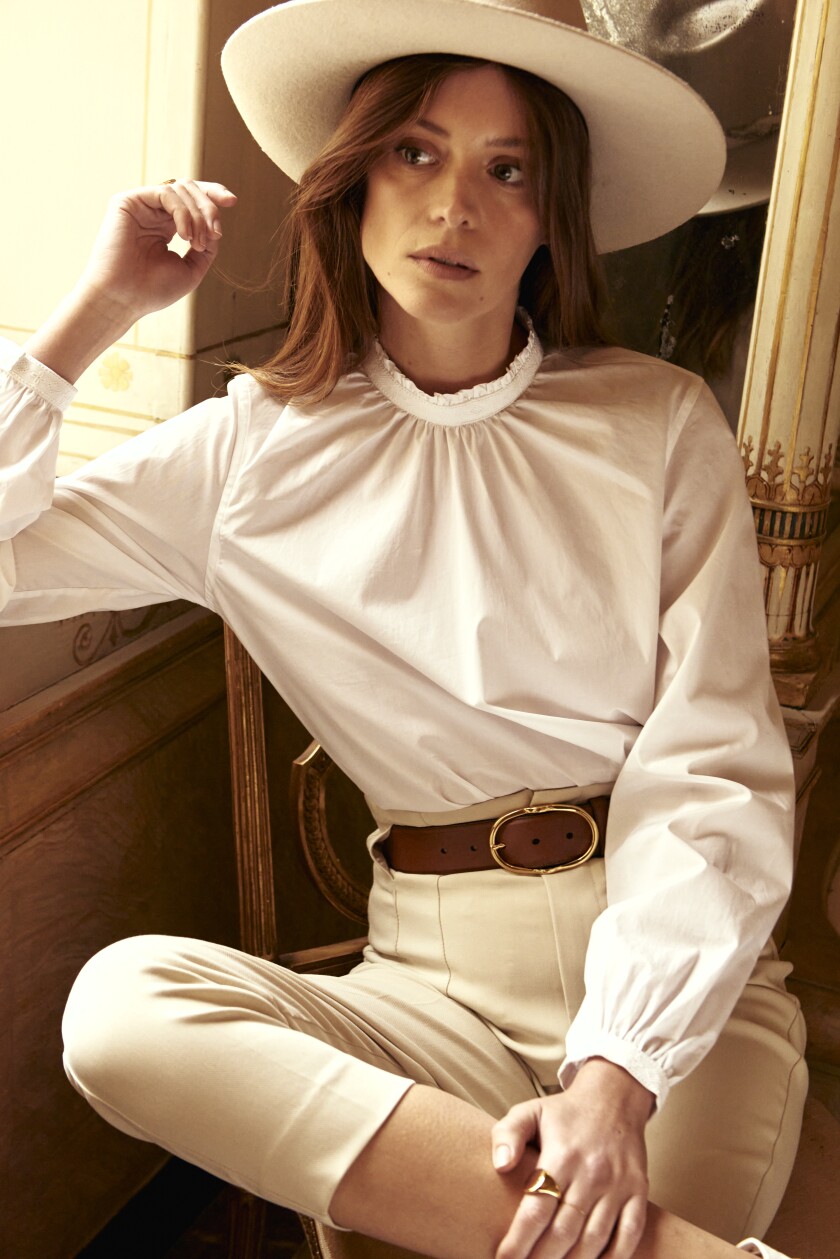
Built starting in 1787, this private mansion would see a succession of colorful characters, including one of history's first influential figures. From 1792, it was occupied by Fortunée Hamelin. A charismatic, cultured, and audacious aesthete, she transformed this mansion into a hub of social gatherings, frequented by Bonaparte, Josephine de Beauharnais, and the cream of the crop of the era. This flamboyant socialite, a true fashion icon, was also the spearhead of the Merveilleuses movement. She caused a sensation in Parisian high society with her unconventional style. Her diaphanous dresses and mannerisms were frequently imitated. Legend has it that it was largely thanks to this Merveilleuse and her provocative streak that chemises, once the preserve of slaves or considered underwear, could finally be worn decently in public by women. A fortunate coincidence for Bourrienne Paris X, which built its business model around the tunic.